Here's the conclusion first: sort purchases by failure mode, not by brand name. I manage procurement for a 70-person process controls and HVAC service company. Over the past six years I've approved roughly $180,000 in instrument, tool, and calibration purchases. The biggest budget wins did not come from trying to buy cheaper. They came from matching the tool to the risk. I will authorize a Dwyer differential pressure switch and a Fluke 87V industrial multimeter for the jobs they are built for without hesitation. At the same time, I don't let the Starrett vs Mitutoyo digital calipers debate eat budget until I know how the calipers will be calibrated and verified.
Why should you trust my spreadsheet? Because I track every purchase line in a shared procurement log—not because I enjoy it, but because a missed delivery once taught me to document everything. Between you and me, I don't have hard data on industry-wide failure rates. I do have our own service log from 2021 through 2024, and it shows after-hours filter trips dropping from 18 in 2021 to 6 in 2023 after we added alarm points. That is not a lab-grade study. For a purchasing decision, it's enough.
Why Dwyer Pressure Instruments Are On My No-Skip List
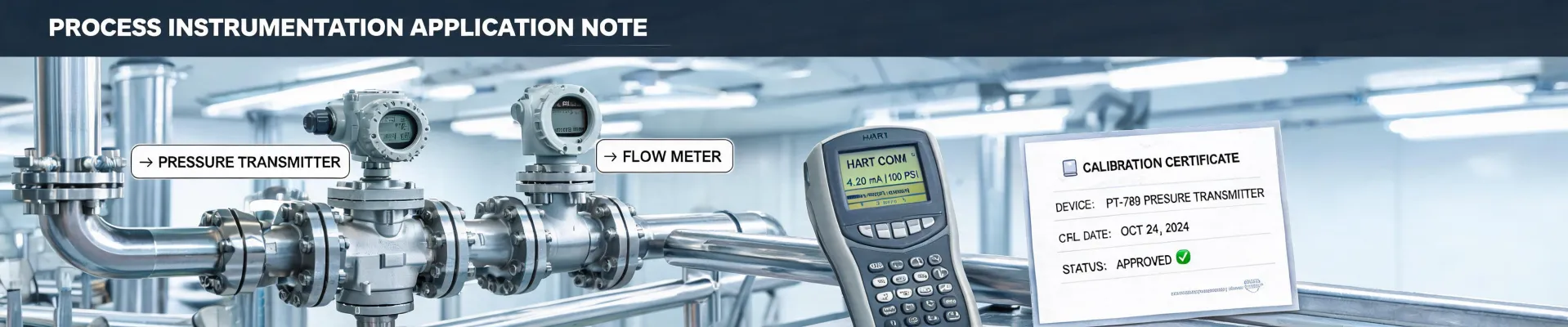
When I specify a Dwyer pressure sensor, I'm specifying an inventory category, not a philosophy. The question is always what the controller needs to do with the signal. If the BAS needs a trend, a pressure transmitter with a 4-20 mA signal makes sense. If an air-handling unit needs to alarm before a filter plugs, the differential pressure switch Dwyer makes is often the more direct answer. It closes a contact. It doesn't wait for software logic. It doesn't require someone to notice a trend line growing.
Looking back, I should have included more of those switches on the original equipment spec. At the time I assumed that connected pressure transmitters gave us more visibility, so they would always be the smarter purchase. Visibility is useful. But a trend is not the same as a response. Waiting until a filter caused an after-hours call to add a switch is the expensive way to learn that lesson.
This is not an argument against digital. We actually installed Dwyer pressure transmitters on two large units that need early filter-change scheduling. The data helps us confidently extend a filter change from quarterly to based on actual pressure drop. But the Magnehelic gauge on the wall is still the backup that works during a BAS outage. The efficient choice was having both, not picking one.
The 87V Industrial Multimeter and the 187 Multimeter Have Different Jobs
If a technician is troubleshooting a 480 V motor starter, I don't want to save $40 by buying a different meter for the field. The 'industrial' in 87V industrial multimeter matters because that type of meter is intended for work in demanding electrical environments. More importantly, its overvoltage ratings are tied to IEC 61010-1. That standard is about protecting the person holding the meter, not about winning a spec-sheet argument.
Reference: IEC 61010-1 defines safety requirements and overvoltage categories for electrical test equipment. CAT ratings such as CAT III and CAT IV describe the transient rating of the meter, not just its display accuracy. Treat them as a safety spec.
The 187 multimeter is another model I keep in the shop. It has high resolution and I use it for low-level signal checks. But the 187 doesn't replace the 87V in a toolbag. Different location, different job. I learned that after a technician tried to use a high-count bench-style meter in a wet enclosure and spent twice as long because he was worried about damaging it. In 2024, our authorized distributor quoted the 87V at roughly $480. I approved it without changing the price in the budget line. If that meter prevents one bad electrical diagnosis, it pays for itself before lunch.
I don't have hard data on how many control-room troubleshooting hours came from using a meter the tech was unfamiliar with. Anecdotally, I know that standardizing our field meter reduced re-work. When the whole crew uses the same layout, mistakes drop.
Starrett vs Mitutoyo Digital Calipers: The Real Cost Is Calibration
If you ask people which brand of caliper to buy, someone will pick Starrett and someone will pick Mitutoyo. My answer is less exciting: Starrett and Mitutoyo both make capable digital calipers. For most maintenance and shop measurements, the larger issue is measurement uncertainty, not brand marketing. What matters is whether the caliper has been dropped, how often it is calibrated, and whether its data output works with existing quality records.
Let me show you the cost math that most people miss. In our Q4 2024 distributor quotes, 6-inch digital calipers with data output ranged from about $145 to $220. Starrett and Mitutoyo both fit in that range. Our calibration lab charges $78 for a caliper calibration with certificate. Over five years, the caliper can cost more in calibration than it cost to buy. That means the brand debate is often less relevant than the calibration contract.
Here is a mistake I made: in 2022, I approved a special request for a different brand because a senior tech insisted it felt better. I didn't check whether the data output cable matched our current SPC collection setup. It didn't. The adapter cost wasn't huge, but the frustration during job training was. If I could redo that decision, I'd standardize by data protocol first, then compare price and feel.
That doesn't mean Starrett vs Mitutoyo is a fake question. It means it's the wrong first question. Build a tool list, choose one brand as primary to keep training and accessories simple, and make sure your calibration provider can certify that brand without long turnaround. Then, if the quote difference is under 10%, pick by replacement time and support.
The Boundary Conditions Nobody Adds To A Comparison Article
This article is for maintenance-led purchasing, not metrology-laboratory purchasing. If your quality system is ISO/IEC 17025 accredited, or if every measurement goes into a legal or certified record, stop applying 'simple switch is okay' logic. You need traceability, controlled handling, fixed calibration intervals, and maybe one brand across all instruments to simplify uncertainty records.
Pricing in this article comes from our own Q4 2024 purchase log and distributor quotes. The market changes quickly, so verify current prices and calibration rates before you build next year's budget.