Industries

Dwyer application guidance follows the process, the approval region and the audit file.

The IND-C manifest asks for guided cards with detailed descriptions and a selection guide. Dwyer uses that structure to keep industry context attached to the instrument choice. A flow meter for municipal water, a pressure transmitter for a refinery skid and a temperature loop in a hygienic process line may look similar in a catalog, but the operating risks, certificates and maintenance checks are different.

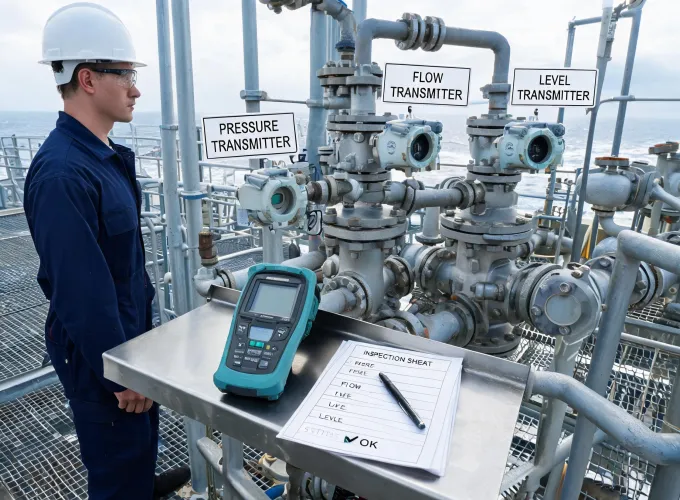
Process plant operator checking Dwyer instruments

Oil, Gas & Petrochemical

Pressure, level and flow loops on refinery columns, offshore platforms and tank-farm custody-transfer skids need clear material, pressure class and hazardous-area notes. Dwyer requests should name the Ex marking, Zone expectation and output protocol before a transmitter or switch is approved for quotation.

Send a loop sheet

Chemical Process

Corrosion-rated transmitters, ATEX/IECEx-zone instruments and SIS-rated final control elements demand more than a matching range. The media, seal material, enclosure and proof-test expectations must be explicit so the recommendation is not only electrically compatible but safe to install.

Review compatibility

Water & Wastewater

Ultrasonic and electromagnetic flow meters, MID-class water metering and aeration-blower control loops depend on pipe conditions, solids content, grounding, signal output and utility documentation. A practical request includes process data and the metering rule that applies.

Prepare metering details

Power Generation

Steam-cycle pressure and temperature loops, feedwater control and renewable inverter station instrumentation need stability notes, enclosure expectations and calibration records that stay useful during maintenance outages. Dwyer keeps the response tied to the plant condition.

Plan an outage package

Food & Beverage Process

Hygienic 3-A pressure and temperature transmitters with CIP/SIP cycles documented for the audit file require surface, seal, washdown and calibration details. Dwyer requests should name cleaning cycles and certificate expectations before the part is selected.

Check hygienic needs
Selection guide

Four checks before choosing the instrument family.

01

Measurement point

Name whether the requirement is pressure, differential pressure, flow, level, temperature, sensing or environmental monitoring.

02

Operating envelope

List range, process media, ambient exposure, pressure class, response time and mounting constraints.

03

Signal and protocol

Clarify 4-20 mA, relay, pulse, local display or HART expectations before accessories are quoted.

04

Approval and certificate

Include ATEX/IECEx, CE, MID, NIST traceability or ISO/IEC 17025 expectations when the audit file depends on them.

Industry match

Send the application, not a guess at the product family.

Dwyer can map the conditions to process instrumentation, sensors, environmental monitoring or test instruments when the industry context and approval region are clear.

Specification request

Send your process instrumentation details

Share range, media, accuracy class and approval region. Dwyer will route the request to the correct application specialist.