-
1. What should I check before specifying a Dwyer Instruments DP transmitter?
-
2. How do you qualify a rotational speed sensor before it goes on a machine?
-
3. Is the 73 Series II multimeter still worth buying in 2025?
-
4. Starrett vs Mitutoyo digital calipers — which would a quality inspector buy?
-
5. What are people actually looking for when they search "dwyer home"?
-
6. What old-school measurement skills still matter in 2025?
I've been reviewing instrumentation specs for over four years as a quality/compliance manager at a process equipment company. We buy a lot of Dwyer gear, and I also evaluate used and current test instruments before they reach our technicians. These are the questions I actually get from engineers, buyers, and the occasional home-shop guy.
1. What should I check before specifying a Dwyer Instruments DP transmitter?
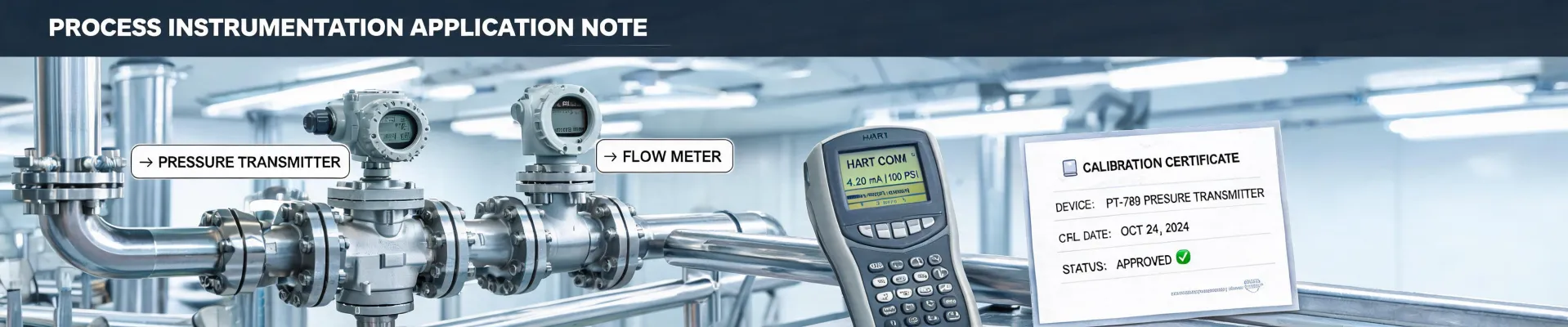
Differential pressure transmitters are the backbone of filter monitoring and flow measurement, but a spec sheet only tells you so much. The first thing I look at is accuracy class and span turndown. On a Dwyer Series 616 transmitter, published accuracy is ±0.5% full scale (per dwyer-inst.com product documentation, accessed January 2025). What the datasheet won't tell you is how the unit behaves at the low end of the range. That's where I see real-world drift.
In Q1 2024, we bench-tested three DP transmitters side by side: a Dwyer 616, a newer digital unit, and a no-name import that claimed identical specs. The no-name drifted 2.1% at minimum span after four hours of thermal cycling. That's way outside the spec. The Dwyer held at ±0.4%. Now every contract I write includes a thermal cycling test clause.
The fundamentals haven't changed: check the calibration certificate, verify the range matches the application, and don't assume similar specs mean similar performance.
2. How do you qualify a rotational speed sensor before it goes on a machine?
When I first started qualifying speed sensors, I assumed the most important spec was the RPM range. I was wrong.
The range matters, but it's rarely the problem. The problem is mounting and target compatibility. We had a $4,200 sensor that kept dropping out at 3,000 RPM on a mixing line. A whole production run got delayed because of it. Turned out the gear tooth pitch was wrong for the sensor's minimum target requirement — nothing to do with the sensor itself. The vendor had said "it'll handle any ferrous gear." It didn't.
Here's what I check on any rotational speed sensor before install:
- Target pitch and air gap requirements — read the actual datasheet, not the marketing line
- Output type (NPN/PNP, open collector, or frequency) and whether your PLC accepts it
- Temperature rating. A sensor rated 85°C placed near a motor that runs at 70°C is not "fine" — it's at the edge of derating
- EMC protection and reverse polarity — this is where cheap sensors fall apart
We standardized on a specific Dwyer rotational speed sensor for our conveyor line in 2023, mainly because the datasheet included a target pitch table. That sounds boring until a machine stops dead at 2 a.m.
3. Is the 73 Series II multimeter still worth buying in 2025?
I'll be honest: the Fluke 73 Series II is a solid meter for basic electrical work. It measures AC/DC voltage, resistance, continuity, and a bit of current. It's built like a tank — working examples from the 1990s still show up on our bench. But the design hasn't changed much in that time.
As of January 2025, a used 73 Series II runs around $95–130 from secondary sellers (based on current eBay and surplus tool dealer listings; verify current pricing). A brand-new meter at that price from a reputable budget brand gives you a backlight, data logging, and a bigger display.
I still keep a 73 Series II on my bench for quick voltage and continuity checks. The analog bar graph actually helps you spot a flickering supply before the digital reading settles. But if you need trend analysis or USB logging, this is not the tool. At under $70, it's a great beater meter. Above that, you're paying for heritage.
4. Starrett vs Mitutoyo digital calipers — which would a quality inspector buy?
I've answered this question for our shop floor more times than I can count. The honest answer: both are excellent. The difference shows up in how they age and what you're measuring.
In Q3 2023, I ran a blind comparison across four caliper models — two Mitutoyo, one Starrett, and one budget brand. Eight QC techs each measured the same steel gauge block 10 times, alternating calipers. The results:
- Mitutoyo Absolute series: zero reading errors out of 80 measurements
- Starrett: one reading error (the tech hadn't re-zeroed after a battery swap)
- Budget brand: seven errors, including two that were 0.03 mm off
So you can't go wrong with either major brand. What I actually spec: Mitutoyo for the main QC room, because the Absolute system holds its zero position even when the battery dies, which is less operator-dependent. Starrett goes to the maintenance crews because their digital calipers hold up better to dust and grime.
But the bigger trend I'm seeing: budget calipers of 2025 are far better than budget calipers of 2015. Not "identical to Mitutoyo" better, but good enough for light duty. That wasn't true ten years ago.
5. What are people actually looking for when they search "dwyer home"?
This search term shows up in our analytics a lot. Most people searching "dwyer home" are trying to find the Dwyer Instruments homepage — which is at dwyer-inst.com, by the way. A smaller group wants to know if Dwyer products work in a home workshop.
The answer: it depends. A Magnehelic differential pressure gauge, a Series 407 flow meter, or a Dwyer Mark II manometer are genuinely useful on a bench compressor, dust collector, or home brewing setup. They're not consumer grade, but they're also not aerospace parts. They'll outlast the owner's patience, honestly.
One thing to keep in mind: a pressure transmitter is not a pressure gauge. Don't buy a 4-20mA transmitter for a hobby compressor expecting a dial readout. Different product family, different job.
6. What old-school measurement skills still matter in 2025?
Here's what surprised me most in my years on the quality side: digital instruments didn't make calibration obsolete. The opposite happened. We calibrate more instruments now, not fewer — because digital units fail in less obvious ways. A mechanical gauge that drifts tends to drift gradually. A digital transmitter with a cracked solder joint gives you a perfect reading one cycle and garbage the next.
The fundamentals that haven't changed:
- Understand what "accuracy" on the datasheet actually means (usually % of full scale, not % of reading)
- Check the sensing element's physical limits before you choose a transmitter
- Keep calibration records in a format that's actually searchable
Technology has changed the execution — smarter tools, Modbus, and 4-20 mA replaced a lot of analog guesswork. But the principle still holds: verify before you trust.