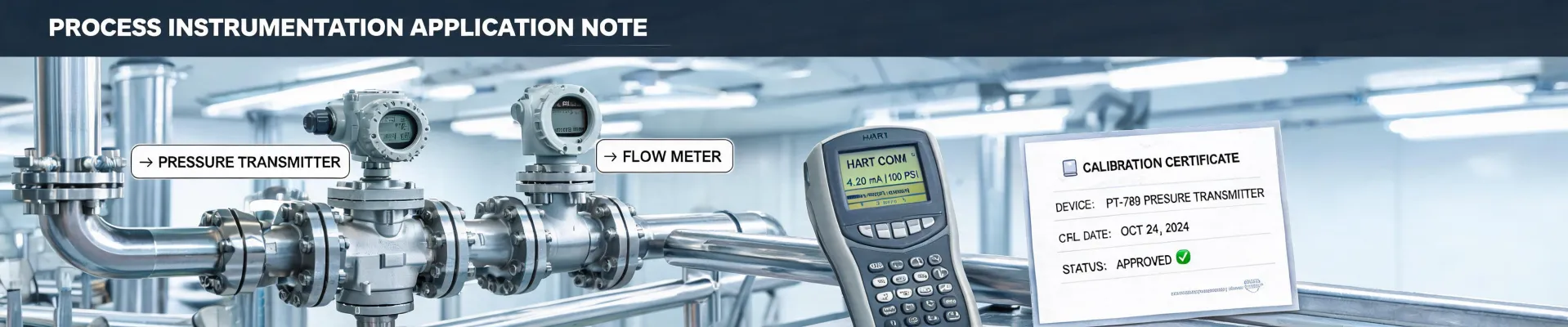
If the entire toolkit plan for an HVAC tech is 'buy a good multimeter,' I'd push back. A multimeter is a fine electrical tool. It's just not an environmental tool. And a lot of HVAC problems start with temperature, humidity, and airflow before they ever show up at a wire.
I manage purchasing for a 60-person building services contractor. Since 2020, I've placed roughly $150,000 in tool and instrument orders across eight or so vendors. I don't design systems, and I don't pretend to be a field engineer. But I'm the person who sees the difference between a purchase that makes the crew look good and one that makes them drive back to the shop for a second trip.
My strongest opinion after five years in that seat: the question 'besides the multimeter, what else is there?' is exactly the right one. The answer isn't one shiny gadget. It's a small set of measurement tools that check the room and the system, plus a multimeter matched to the actual work. And each one should be bought by total cost, not by sticker price.
Besides the Multimeter, What Else Is There?
If you work on HVAC equipment, the first extra item I now order is something that measures the space, not the wire. Our go-to list includes a Dwyer temperature and humidity sensor, a Dwyer thermistor HVAC and room measurement sensor, a Magnehelic differential pressure gauge for filter checks, and a thermal camera. These aren't the tools that get attention, but they answer the complaints that a multimeter can't.
Why? Because a bad humidity reading can feel like a broken cooling system. A supply air sensor that drifts can freeze one room and bake another. You can check every contactor and capacitor with a good multimeter and still miss the actual fault if the sensor is telling the controller a story that isn't true.
Thermal Camera Price Quotes Taught Me About Value
When the team first asked for a thermal imager, finance sent me a search for thermal camera price. Price isn't a bad starting point. It's a bad decision point if no one has defined what the images will be used for.
In one quote I kept from 2025, our distributor listed a basic handheld thermal camera at around $1,100, a higher-resolution unit at $3,400, and a survey-grade package above $6,000. If I sorted by price, the $1,100 camera was the obvious pick. But the $3,400 unit could export radiometric image data and had the temperature range our building envelope reports needed. I approved the $3,400 purchase. Finance frowned until the first report saved a client from an unnecessary roof replacement.
The cheaper camera wasn't bad. It just didn't fit the job. That's the real lesson about thermal camera price: the number only means something when you measure it against the work it has to do.
Which Fluke Multimeter to Buy? Let the Work Answer
The next request I hear is 'which Fluke multimeter to buy?' I used to answer 'the one on sale.' That was lazy. The right answer depends on what the technician does on a Tuesday morning.
Our HVAC vans usually carry a Fluke 116. It has microamp measurement and a temperature input, which helps with gas furnace and controls work. General electrical techs in our company tend to ask for a Fluke 117 because it includes LoZ mode and non-contact voltage. LoZ makes a difference when you're chasing ghost voltage in older buildings.
Do I ever order a higher-end 87V? Yes, for the techs working on industrial panels and motor circuits, not for everyone. More accuracy doesn't help if the tool is too bulky or too complicated for the task. I am not saying the 116 is better than the 117 or the 87V. I'm saying the job should pick the meter, not the marketing.
Why I Order a Dwyer Temperature and Humidity Sensor Now
Here is a confession: I used to treat temperature and humidity sensors as commodities. If the listing said 'HVAC' and the price was low, I bought it. That approach failed in 2023, and the failure taught me more than any brochure.
We needed fixed room sensors for a comfort issue. I ordered a cheap thermistor option without checking the full specification. The sensors were installed, but they talked to the controller incorrectly. The word 'thermistor' wasn't enough; the resistance curve and range had to match the controller input. I had skipped that detail. We paid for a second visit, replacement sensors, and reprogramming. The cheap sensors saved about $120 on paper and added around $1,300 in labor. I only believed specification sheets after I watched that invoice arrive.
On the second round, I searched for a Dwyer thermistor HVAC and room measurement sensor. I want to say it cost about 40% more than the first sensor, but don't quote me on that. What mattered was in the data sheet: the wiring diagram, the resistance table, the sensor curve, and a note about which controller input it belongs with. I didn't have to guess.
For occupied rooms, we also standardized on a Dwyer temperature and humidity sensor. It measures both conditions, and we mount it away from direct sunlight and supply air. One of our techs calls it the eyeball. It tells us whether a room is comfortable or just pretending to be. I also ask our calibration vendor to verify it once a year with a NIST-traceable reference, because a sensor that drifts slowly is worse than no sensor at all.
Don't Skip the Boring Measurement Tools
One more thing I've learned in this purchasing seat: the tool that gets used every day is often not the impressive one. We still mount Dwyer Magnehelic gauges on filter housings and air handling units. It's an old differential pressure gauge with no touchscreen, no app, and no blinking LEDs. But it tells the crew in seconds when a filter is loading, and it doesn't depend on a phone signal.
That's another side of value over price. A simple instrument is still valuable if it changes the way people work. The goal isn't to own the newest tool; it's to know the condition of the system before it becomes a callout.
Value Over Price Is Not a Slogan
Someone will say I overpaid for that thermal camera. I understand the objection. If all we needed was a quick visual scan, the $1,100 camera was enough. But our reports required temperature data, and trying to reconstruct data from a second site visit is always more expensive.
I can't tell you the one perfect multimeter for everyone. I can tell you the pattern. If you sort every decision by the lowest unit price, you end up with a drawer full of almost-right tools. If you sort by field time saved and callbacks avoided, the right purchase suddenly doesn't look expensive.
A Dwyer temperature and humidity sensor can prevent a second service visit. A thermistor HVAC and room measurement sensor with complete specs can prevent a controls integration headache. A thermal camera with report-ready images can save an entire day of investigation. Those are real totals, not marketing phrases.
So buy a multimeter that fits the work. Add a thermal camera for the evidence you need to make decisions. And before you approve the next requisition, ask whether your technician can measure the room—not just the circuit. That single question has saved me more money than any coupon code.