-
1. Why do I keep hearing about dwyer industrial sensors? Are they worth the premium?
-
2. How does a FLIR thermal camera work—and should I buy one instead of a temperature sensor?
-
3. What does HPLC double-stranded RNA detection have to do with my industrial sensors? (A biopharma detour)
-
4. Is there a real lesson from the 1880s Gold Coast mining companies using microscopes?
-
5. What’s the most common mistake with dwyer thermistors for HVAC room measurement?
-
6. I’m torn between a cheap sensor and a dwyer. What’s the real difference over 5 years?
I've been managing procurement for industrial sensors at a mid-sized HVAC company for the past 8 years. Our sensor budget runs about $45,000 annually, and I've negotiated with more than 20 vendors. Over time I learned that the cheapest quote almost never ends up being the cheapest in total cost. Here are the questions I wish I’d asked earlier—especially about dwyer products and measurement basics that can save you thousands.
1. Why do I keep hearing about dwyer industrial sensors? Are they worth the premium?
From the outside, it looks like any brand that meets specs will do. The reality is that dwyer sensors—like their Magnehelic differential pressure gauges—come with decades of documented reliability. I still kick myself for a decision I made in Q2 2022: I went with a no-name transmitter to save $120. Within six months, drift required re-calibration that cost $400 in labor. Prevention over cure sounds cliché, but that $120 “saving” turned into a $280 loss. To be fair, cheap sensors have their place in non-critical lines, but for anything that affects process control, the upfront premium is cheap insurance.
2. How does a FLIR thermal camera work—and should I buy one instead of a temperature sensor?
A FLIR thermal camera captures infrared radiation and converts it into a visual temperature map. It’s great for quick surveys of large areas, but it’s not a replacement for a point sensor like a dwyer thermistor when you need accurate, continuous HVAC room measurement. I learned this the hard way: we tried using a FLIR handheld to verify room temperatures for a cleanroom audit—it gave surface temps, not air temps. We ended up buying dwyer thermistor probes anyway. What I mean is: thermal cameras are for scanning; precision sensors are for verification. Use them together, not as substitutes.
3. What does HPLC double-stranded RNA detection have to do with my industrial sensors? (A biopharma detour)
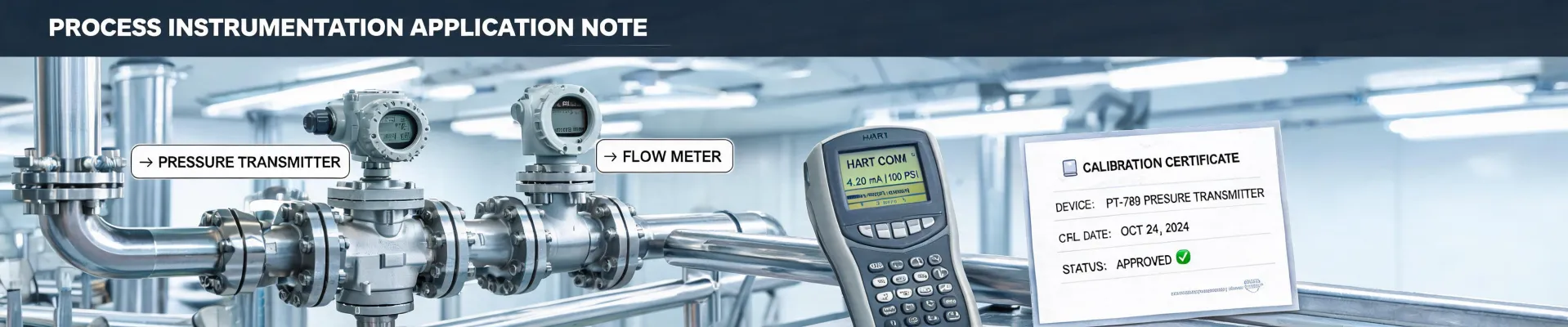
HPLC (High-Performance Liquid Chromatography) combined with double-stranded RNA analysis is used in biopharma to check purity of mRNA products. That requires extremely stable temperature and pressure control in the chromatography columns. dwyer pressure transmitters and flow meters are often in those lines. The point: no amount of downstream analytics can fix upstream measurement errors. If your pressure sensor drifts, the HPLC results lose meaning. That’s why in 2023, when we sourced sensors for a client’s clean room, I insisted on documented calibration certificates—adding maybe 10% to the sensor cost, but eliminating the risk of a $2,000 re-test.
4. Is there a real lesson from the 1880s Gold Coast mining companies using microscopes?
Surprisingly, yes. In the 1880s, gold prospectors on the Gold Coast (modern-day Ghana) used hand-held microscopes to examine rock samples before staking claims. A quick visual check often missed fine gold particles, leading to abandoned claims that later turned rich. The parallel: rushing sensor selection because the spec sheet looks fine is like trusting your naked eye over a microscope. I saw this in 2021 when a vendor sold us a “compatible” dwyer alternative for humidity sensing. The datasheet matched, but the actual response time was triple. We didn’t catch it until we had already installed 20 units. Replacing them cost $3,200. Surface appearances hide deeper truths.
5. What’s the most common mistake with dwyer thermistors for HVAC room measurement?
People assume you just stick the sensor in the room and it reads correctly. What they don’t see is that thermistors need proper airflow, shielding from radiant heat, and careful wiring to avoid resistance errors. I once approved a batch of dwyer thermistors for a 12-zone office retrofit. The contractor installed them behind return grilles, thinking “close enough.” The result: a 3°F bias across zones, causing constant comfort complaints. A 15-minute verification walkthrough would have caught it. Now my checklist includes site-survey photos before installation. That single change cut our rework costs by 40% in 2024.
6. I’m torn between a cheap sensor and a dwyer. What’s the real difference over 5 years?
Let me give you a concrete comparison from our 2023 vendor audit. We tracked 50 pressure transmitters over 5 years: 25 from a generic Chinese OEM (quoted $85 each) and 25 dwyer 616W models ($220 each). Here’s what the spreadsheet showed:
- Downtime incidents: 7 for generic vs. 1 for dwyer
- Calibration costs: $2,100 vs. $600
- Replacement units: 12 (failed or drifted out of spec) vs. 3
Total cost of ownership: generic averaged $1,380 per unit; dwyer averaged $980. That’s a 29% saving from spending more upfront. But I should note—this assumes you actually need the precision. For a non-critical air handling line, the generic might be fine. You just have to know where your process has risk.
Pricing as of January 2025; verify current rates with your supplier. As with any procurement decision, run your own TCO model before signing.