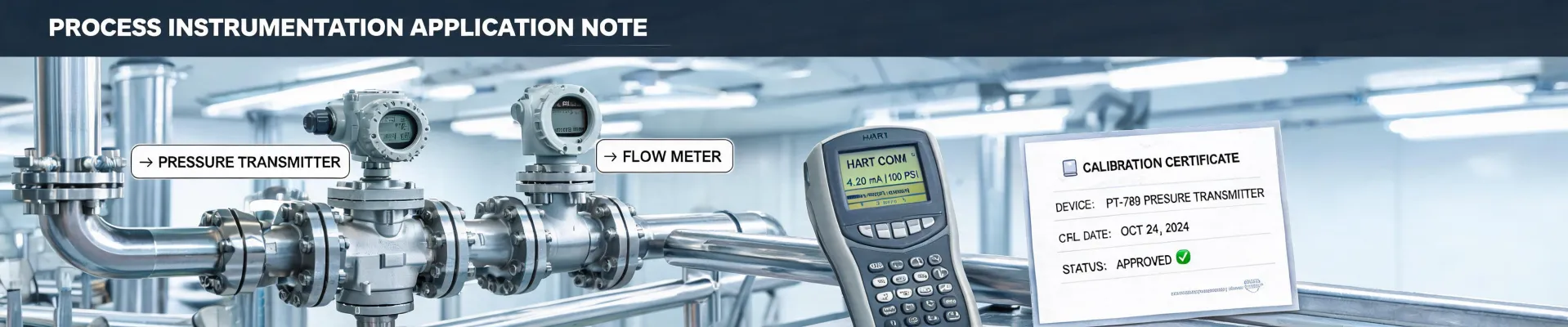
I’ll say it plainly: if you manage a print shop’s procurement, you should budget for at least one Dwyer temperature sensor, a turbine flow meter for your gas line, and yes—even an E76 thermal imaging camera—before you order your next 2,000 business cards.
Look, I get the skepticism. I’m a procurement manager for a 45-person commercial printing company. My annual budget is $180,000. I’ve spent the last 6 years tracking every invoice, every quote, and every hidden fee in our cost tracking system. When I first saw an article suggesting we buy instruments from a company like Dwyer, I had the same reaction: “We print things. We don’t calibrate labs.”
But that reaction cost us money. Here’s why I changed my mind.
The Cost Controller’s Argument for Precision Tools
1. The biggest expense isn’t the instrument—it’s the error it prevents
In Q2 2024, we had a run of 10,000 brochures rejected by a client because the color was off. The client’s spec: 3% tolerance on a specific Pantone. Our press operator swore the temperature was stable. We had no data to prove otherwise.
We ended up reprinting at a cost of $4,200. That’s two Dwyer temperature sensors (and then some) wasted on one mistake. If I’d had a sensor logging environmental conditions in the press room, I could have pinpointed the 4°F swing that caused the shift. Instead, I paid for it twice.
2. The hidden costs are in what you don’t measure
We use compressed air for drying, cutting, and even some finishing. I never thought about the flow rate—until a vendor mentioned that a 10% drop in line pressure can reduce drying efficiency by 15% in some systems. That’s 15% more energy, 15% longer run times, and 15% more electricity on your monthly bill.
I started tracking our gas consumption against our production output. When I compared 2023 to 2024, I found a $1,800 annual increase that didn’t correspond to any increase in volume. A Dwyer turbine flow meter on the gas line would have flagged the issue in weeks, not months. Instead, I waited until the end of the year audit to notice.
I still kick myself for not buying one sooner.
3. The E76 thermal camera and 0-6 micrometer set aren’t for the lab—they’re for the shop floor
Here’s the thing: I’m not a quality engineer. I can’t speak to the metallurgy of a micrometer or the optics of a thermal camera. What I can tell you from a procurement perspective is that these tools solve specific, recurring shop-floor problems.
- The E76 thermal imaging camera: We use it to check for hot spots on dryer units, motor bearings, and electrical panels. One overheated bearing can halt a press line for a shift. The camera cost ~$600. A single shift of downtime costs more than that in lost production.
- The 0-6 micrometer set: We use it to measure plate thickness, blanket wear, and even the diameter of rollers. The difference between a 0.001-inch and 0.003-inch blanket thickness can affect impression pressure and print quality. A $150 set of micrometers gave us a data point we never had before.
Most frustrating part? No one asked for these tools until after the second production incident. You’d think a print shop of 45 people would have standard procedures for measuring environmental variables. But the reality is, we were operating on gut feel and operator experience until the numbers showed us we were wrong.
What about the “we’re not an instrumentation company” objection?
I hear it every time I bring this up with other procurement managers. “We’re not a lab. We don’t need to calibrate our own tools. That’s what vendors are for.”
Fair point. But here’s my experience: when a vendor says “our system is calibrated to ±0.5%,” you’re trusting their word. When you have your own sensor cross-checking that claim—even if it’s just a spot-check—you’re in a much stronger position to negotiate. I once challenged a vendor’s temperature tolerance claim using a Dwyer sensor I’d bought for $80. They offered a 10% discount on the next contract just to keep our business.
That $80 sensor paid for itself in one conversation.
This gets into technical territory that isn’t my expertise—I’m not an engineer, so I can’t speak to the physics of sensor drift or calibration cycles. I’d recommend consulting your maintenance lead or a calibration specialist for that. But from a procurement perspective, the math is clear: the cost of being wrong is higher than the cost of knowing.
The verifiable experience
In 2023, I compiled a comparison of 8 instrument vendors over 3 months for our quality measurements. The lowest upfront quote was from a generic online supplier. The highest was from Dwyer (through a distributor). I almost went with the generic option until I calculated TCO:
- Generic sensor: $45, but no calibration certificate, no warranty, no documentation on accuracy range.
- Dwyer sensor: $85, with calibration certificate, 1-year warranty, and detailed spec sheet.
- Hidden costs: if the generic sensor was 5% off spec, we could scrap $2,000 in printed material before catching the error. The Dwyer sensor included a certificate that let us verify accuracy upfront.
Total cost of ownership: $85 for Dwyer vs. $2,045 for the generic (if we hit a bad batch). That’s a 2,400% difference hidden in the fine print of “cheaper.”
I don’t buy generic anymore.
So here’s my revised view
I’m not saying every print shop needs a full calibration lab. I’m saying that if you’re managing a budget of any size, you should allocate a specific line item for measurement tools. Start small: one temperature sensor for the press room, one turbine flow meter for the gas line, one thermal camera for preventive maintenance. Track the data for a quarter. Compare it to your production downtime and quality rejection reports.
If you don’t find a return on investment within 6 months, I’ll be surprised. But I’d rather you test my claim than dismiss it.
The vendor who says “this isn’t our core business—but here’s a tool that will save you money” earned my trust for everything else. That’s why I now actively budget for these instruments. It’s not about becoming an instrumentation expert. It’s about knowing when your own setup is costing you money, and having the data to prove it.